
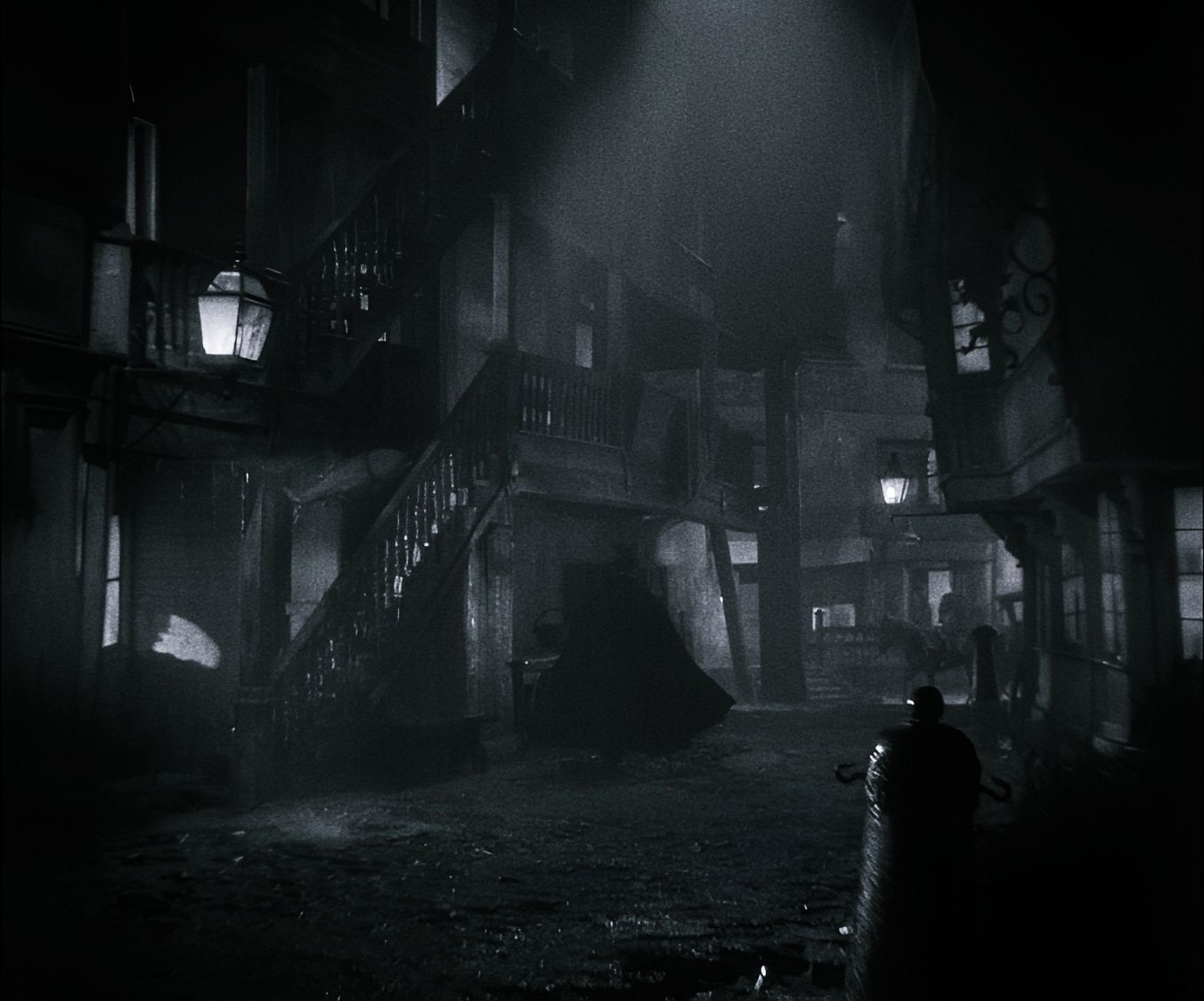

The Toccata and Fugue in D minor is probably one of the most iconic motifs in film music of all time, especially within the realm of gothic horror. It can be heard in Dr. Jekyll and Mr. Hyde [1932], The Black Cat [1934], and The Phantom of the Opera [1962]. Although not confined to the genre, as evidenced by Disney’s Fantasia [1940], 20,000 Leagues Under the Sea [1954], La Dolce Vita [1960], and Rollerball [1975], the piece has also found itself frequently parodied in films, such as in Sunset Boulevard [1950] and even Monty Python’s Meaning of Life [1983].
Toccata and Fugue in D minor, BWV 565, is most widely accredited to Johann Sebastian Bach (1685-1750), although the source remains contested. The origin of the composition itself is quite mysterious, considering it wasn’t published until almost a century after being written.
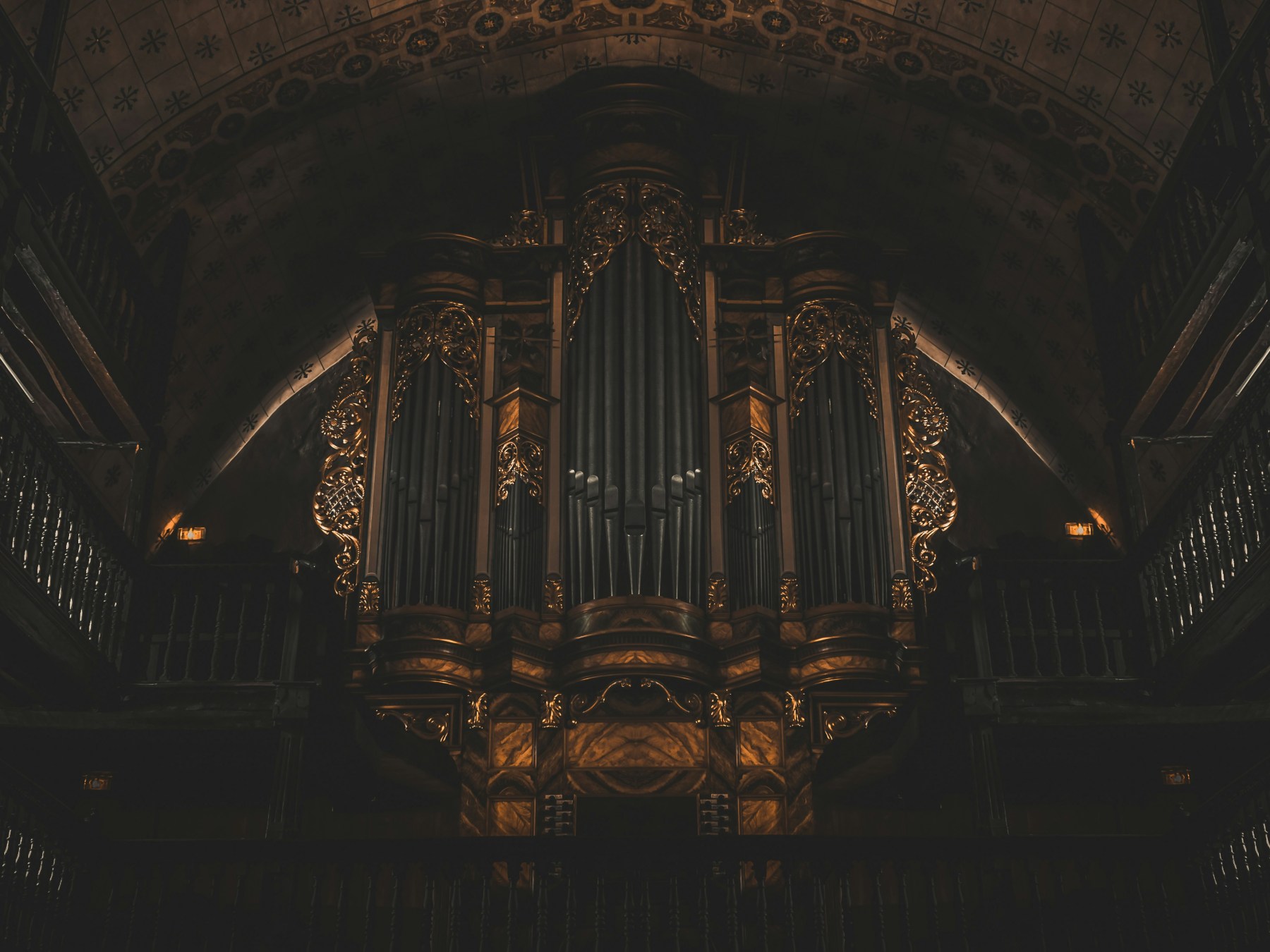
However, it’s not so much the composer I’m interested in here, but the prevalence of popularity of the iconic motif in cinema, particularly horror cinema. When I think about the piece, the first connotations that come to mind are an intense sort of foreboding, its minor key evoking melancholy. The accidentals sometimes create a beautiful hymn-like harmony, but just when you think it’s resolved, the next phrase comes along and spooks you again. Composed for the organ, we’re immediately reminded of a religious setting, like a church. Organs are so large and imposing, and Beethoven’s composition exploits that vastness to the nth degree, almost to the point of being overwhelming.
Organs are of course often used in the rock genre, notably within the subgenre of metal. For example, if we consider songs like Mr. Crowley by Ozzy Osbourne and the Angel and the Gambler by Iron Maiden, both of these songs refer to the idea of a Christian devil and hell, of saviour and purity. Culturally, we’ve built an association between organ music and the aspects of Christianity that are all the warning parts, the don’t do this sort of thing symbolism. As human beings, most of us are intrigued by the macabre side of things, which is why we like scary films.

The organ has long been a part of horror cinema, take for instance The Terror (1928), an American, pre-Code film about a murderous organ player. What is widely regarded to be the first horror film with sound, just happens to feature very ominous organ music. Only it’s no accident – the piece works so well for horror because of its reliance on suspense, all of the heavy pauses leaving the listener on tenterhooks for what comes next.
The word toccata refers to touching. In other words, most compositions titled as toccatas are meant to demonstrate a person’s skill with an instrument, the virtuosity with which they play. It’s all the more haunting then, when we see the piece used as the accompaniment to Dr. Jekyll and Mr. Hyde (1931). It’s use suggests that our villain is masterful, with the capacity to outsmart their victims.
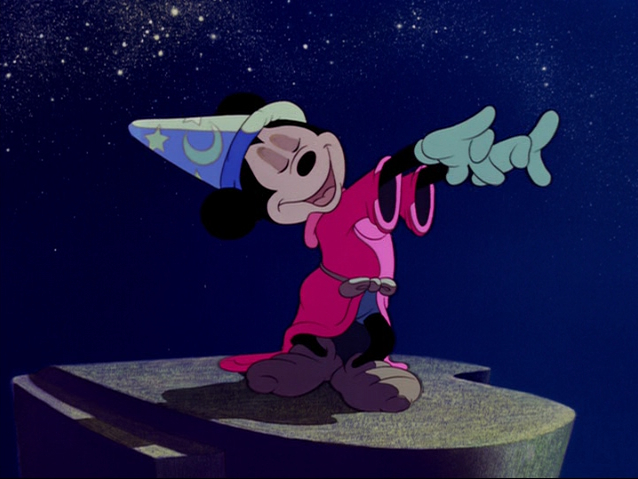
The composition, as arranged by Leopold Stokowski, also appears in Walt Disney’s Fantasia (1941), a film created with the intention to illustrate music visually. The animation pairs the piece with bright, explosive colours, and falling stars. It’s a really magical interpretation that emphasises it’s ethereal nature, further establishing the Toccata and Fugue in D minor as piece of music with a complexity that can ascend to encapsulating the imagination at its most visionary; it transcends reality into the space of the supernatural.
 Screen Waffle
Very interesting article. There are so many pieces of music that are universally used in movie and TV and yet their origins are hardly known to the wider audience.
LikeLike